How To Make A DIY Natural Air Freshener: Easy Homemade Ideas For Every Room
We usually notice bad smells at the most inconvenient times, and sometimes we just want something natural to fix it. Learning how to make a DIY natural air freshener can help, with various options available. In this guide, we look at basic ingredients to remove odors without an artificial scent.

Key Takeaways
- Natural air fresheners work best when they remove odors first, then add light fragrance for balance.
- Simple ingredients like citrus, herbs, and baking soda can handle most everyday smells with little effort.
- Different formats serve different needs, sprays for quick fixes, gels and diffusers for steady scent.
- We supply high-quality custom air fresheners for cars that combine bespoke design and scent choices with diverse formats and great prices for your convenience.
How To Make A DIY Natural Air Freshener?
Many people start by masking smells, but this rarely lasts. A better approach is to remove the odor first, then layer the scent. This might start with cleaning up the source of the odor, then exploring how to make a DIY natural air freshener. A simple jar method is a good option.
It goes like this:
- Fill a small jar with baking soda.
- Add 10 drops of essential oil.
- Cover it with a breathable fabric.
This works well in bathrooms or closets. Alternatively, create a spray using water and a small amount of alcohol to help disperse the oils. We’ve found this two-step approach to be very reliable as it gives both immediate freshness and long-lasting odor control.
How To Make Air Freshener Naturally?
Synthetic scents can feel strong in small spaces. Natural methods solve this by using lighter ingredients that still work. When we look at how to make air fresheners naturally, we rely on simple combinations.
A good base can include things like:
- Water
- Citrus peels
- Herbs
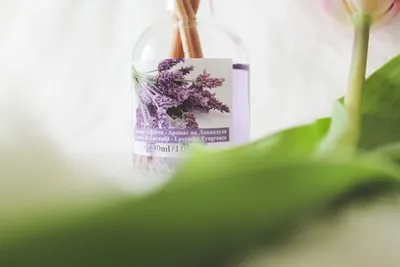
Add a few drops of essential oil if needed. For kitchens, lemon and rosemary work well. For bedrooms, lavender feels calmer. Keep the ratio simple, about one cup of water to five to ten drops of oil - too much can overwhelm.
These natural room scenting ideas work best when matched to the space, not used the same way everywhere. Alternatively, work with us to create custom shape air fresheners for a bespoke design and your choice of scent that feels light and natural.
How To Make Natural Air Freshener Spray?
Sprays are quick, but they need the right mix to work well. To make an essential oil air freshener spray, combine one cup of distilled water with two tablespoons of vodka. This helps the oil blend instead of floating.
Once you have this mixture, add ten to fifteen drops of essential oil, then shake well before each use. Here are a couple of tips for best results:
- Spray lightly into the air, not directly onto fabrics that may stain.
- We label bottles with the scent and date so we can ensure it stays fresh.
A DIY room spray with essential oils usually lasts about two weeks. After that, the scent fades and it’s worth mixing a new batch. Be mindful of volatile organic compounds (VOCs) if you consider purchasing synthetic air freshener sprays.
|
Method |
Best For |
Scent Strength |
Longevity |
Prep Time |
Maintenance |
Cost |
|
Spray (Water + essential oils) |
Quick refresh (living rooms, bathrooms) |
Medium–Strong (adjustable) |
1–2 weeks per batch |
2–3 mins |
Shake before use, remake regularly |
Very low |
|
Baking Soda Jar |
Closets, bathrooms, bins, cars |
Low (light scent only) |
2–4 weeks |
2 mins |
Replace baking soda periodically |
Very low |
|
Gel Air Freshener |
Desks, bathrooms, small rooms |
Medium |
2–4 weeks |
10–15 mins |
Minimal once set |
Low |
|
Reed Diffuser |
Living rooms, hallways |
Medium (consistent) |
3–6 weeks |
5 mins |
Flip reeds every few days |
Low–Medium |
|
Simmer Pot (citrus/herbs) |
Kitchens, large spaces |
Medium–Strong |
Same day (hours) |
5 mins |
Requires monitoring while heating |
Very low |
|
Herb Sachets (lavender, mint) |
Bedrooms, drawers, wardrobes |
Low–Medium |
2–6 weeks |
5 mins |
Refresh with oil occasionally |
Low |
|
Charcoal Bags |
Cars, closets, damp areas |
None (odor removal only) |
1–3 months |
None |
Reactivate in sunlight monthly |
Low–Medium |
|
Coffee Grounds (in bowls) |
Kitchens, fridges, small spaces |
Low |
1–2 weeks |
1 min |
Replace regularly |
Very low |
|
Potpourri |
Living rooms, decorative areas |
Low–Medium |
2–4 weeks |
10–20 mins |
Refresh oils periodically |
Low |
Easy DIY Natural Air Freshener Recipes
Some people want fast results, others want something decorative. This is where DIY natural air freshener recipes come into their own. We tend to mix and match based on the room, with options like citrus, neutralizing baking soda, or gel options.
- A citrus infused air freshener can be made by simmering orange peels with cloves for an hour, then combining with a base like vodka.
- For a dry option, try using baking soda in air fresheners placed in small jars.
- If you prefer something visual, a DIY gel air freshener works well on shelves.
Bathrooms tend to benefit from stronger blends, while living areas need lighter scents. There are many different types of air freshener, and keeping recipes flexible makes them easier to use without overthinking every detail. You will find full recipes with a quick Google search.
10 Easy Homemade Air Freshener Recipes To Try
Not every method fits every situation. Cheap homemade air fresheners are diverse in their ingredients, so explore different possibilities to address different situations. Here are 10 options to consider:
- Citrus peel simmer pot: Quick and refreshing.
- Baking soda jar with essential oils: Low cost and effective.
- Vinegar spray with herbs: Powerful odour neutraliser.
- Gel air freshener cups: Long lasting and customisable.
- Coffee bean bowls: Great for kitchens and absorbing smells.
- Dried lavender sachets: Calming and decorative.
- Lemon and rosemary diffuser: Fresh and vibrant.
- Charcoal bags: Excellent for ongoing freshness.
- Fabric spray with oils: Ideal for daily use.
- Seasonal spice potpourri: Perfect for occasional ambience.
Each method serves a different purpose - some act fast, others last longer. Choosing based on need saves time and avoids unnecessary effort later.
How To Make Air Freshener With Essential Oils?
Essential oils give some control over scent, but you must approach them carefully. When learning how to make air freshener with essential oils, always dilute them. We recommend that you start with five to ten drops per cup of liquid.
Combine oils that complement each other:
- Lavender and lemon create a balanced mix.
- Sandalwood and frankincense have a grounding feel.
- Eucalyptus works well for a sense of cleanliness.
Avoid adding oils directly to surfaces - this is how stains happen. For homes with pets or children, choose milder oils and use less.
A controlled blend feels better in a small room as it keeps the air fresh without becoming too strong or distracting. It is wise to place oil-containing items on custom ceramic coasters or other protective surfaces in case of spills.
Looking for a simple but effective air freshener?
Our custom woven air fresheners offer a range of captivating scents in a bespoke design that feels natural and fresh.
Homemade Lemon Air Freshener Ideas
Lemon is often the first scent people try as it feels clean and familiar. You can make your own homemade lemon air freshener by boiling lemon slices with water and a few herbs like thyme. Let the mixture simmer for about 30 minutes.
You will find that the steam carries the scent through the room. If you want a longer-lasting option, you can simply mix lemon oil with baking soda in a jar. Both methods can have the desired effect, depending on time.
Citrus scents are most effective in kitchens and shared spaces as they can cut through food smells and other odors quickly. If you want a ready option, you could try an ingredient kit or even work with us to create custom hanging air fresheners in your desired scent. We offer a range of freshener formats that you can personalize and add your chosen scent at great prices.
Natural Air Freshener With Herbs?
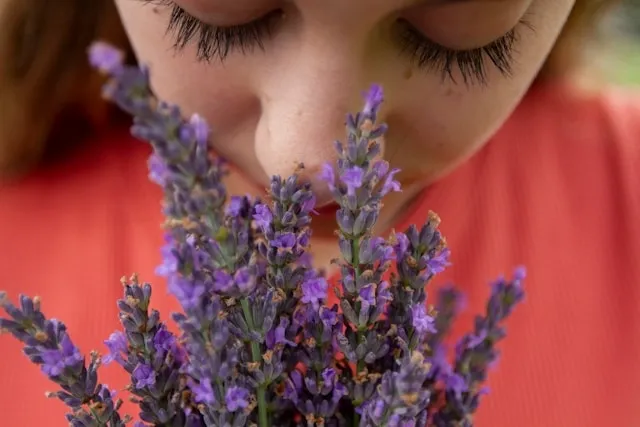
Herbs add a softer scent compared to citrus. A natural air freshener with herbs can be made using dried lavender, mint, or rosemary. Place them in small fabric sachets or simmer them in water.
- Fresh herbs release scent faster.
- Dried herbs tend to last longer.
Plants emit terpenes that influence indoor air chemistry - they can even be detected and measured.
We often use rosemary near entryways because it holds its scent well. Mixing herbs with citrus can create balance as too much herbal scent alone may feel heavy. These blends also look appealing when displayed in jars or bowls.
They are a great choice in spaces where a gentle, steady scent feels more appropriate than a strong burst.
How To Use Baking Soda In Air Fresheners
Some smells need to be removed, not covered. This is where baking soda thrives. Using baking soda in air fresheners works because it absorbs odor over time. The process to create a baking soda air freshener is straightforward:
- Fill a small container with baking soda.
- Add a few drops of oil for light fragrance.
- Place it in closets, bathrooms, or cars.
- Replace it every few weeks for best results.
We’ve found this solution especially useful in enclosed spaces. Design it to look like part of the scenery by combining it with the aesthetic of custom neon signs, furniture, and other decor.
This approach to odor removal is simple and low cost. Unlike sprays, it works quietly in the background, making it one of the most reliable natural odor eliminator tips for everyday use.
Baking Soda And Vinegar Air Freshener?
People often mix these two, expecting it to yield a stronger effect. In reality, they cancel each other out when combined. Baking soda absorbs odors, while vinegar breaks down smells on surfaces. Use them separately.
Here’s what we recommend you do:
- Clean a surface with vinegar first.
- Then place baking soda nearby for ongoing control.
We’ve tested the two ingredients together and apart, and the difference is clear. The reaction may look active, but it reduces effectiveness.
You need to understand the difference between absorption vs masking to create an approach like using baking soda to absorb odors, vinegar to neutralize chemicals, then a scented freshener for a pleasant aroma.
Keeping baking soda and vinegar as separate steps gives better results while avoiding unnecessary mess.
What Is The Most Powerful Odor Eliminator DIY?
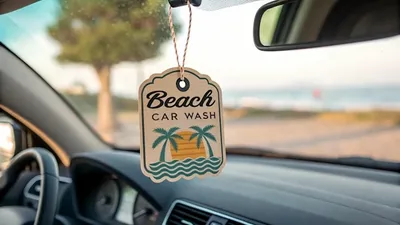
Strong odors need more than fragrance - the most effective approach combines cleaning and absorption. Even the longest-lasting car air freshener will only mask a smell if you don’t eliminate the source.
Here’s what to do:
- Start by wiping surfaces with vinegar to remove the source.
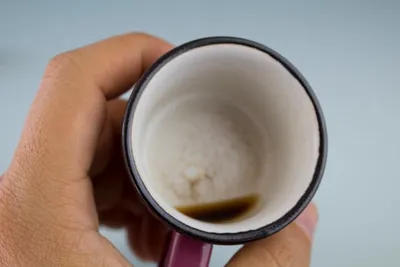
- Then use baking soda or coffee grounds to absorb remaining smells. Coffee grounds work well in small containers for tight spaces.
- Add a light scent afterward to help finish the job.
We’ve used this method in cars and storage areas with good results, but it may take a day or two for full effect. For persistent odors, repeat the process.This layered method works better than relying on a single solution.
Choose sustainability for your car air freshener
With our service, you can create a custom eco kraft paper air freshener that is recyclable and doesn’t compromise on quality or fragrance.
Learn moreHow To Make A DIY Gel Air Freshener
Gel options last longer and require less attention, but they are a little more complicated to make. Compared to sprays, this method offers a steady release that lasts longer. Reducing synthetic fragrance chemicals lowers indoor pollutant load to improve air quality.
To make a DIY gel air freshener, the process goes like this:
- Dissolve unflavored gelatin in warm water.
- Add an essential oil blend of your choosing.
- Add a few drops of food coloring to improve the appearance (optional).
- Pour into a small container and let it sit for a few hours to set.
- The gel slowly releases scent over time.
We prefer this for desks or bathrooms where sprays feel too strong. Keep it away from direct heat to prevent melting. Compared to sprays, this method offers a steady release.
How To Make Reed Diffusers At Home
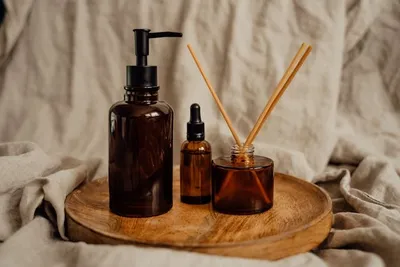
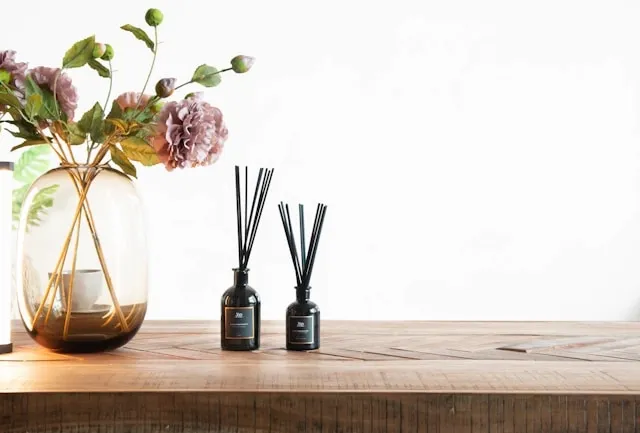
Reed diffusers provide ongoing scent without effort. To learn how to make reed diffusers at home, mix a carrier oil with a small amount of essential oil. Insert reed sticks into the container and allow them to absorb the liquid.
This is the basic solution, but there are things you can do to boost effectiveness:
- Flip the reeds every few days to refresh the scent.
- Be mindful of placement: keep them near airflow, not in corners.
- Don’t use too much oil as it can clog the reeds - balance is key.
This method works well in living rooms and hallways. Some even use it as their choice for the best car air freshener, though you need to take precautions to avoid spills.
Interested in air fresheners using natural materials?
Bring a touch of nature into your car with our custom wood car air fresheners. Crafted from natural wood, you will enjoy a natural fragrance that lasts.
How Can I Make My House Smell Good Without Candles?
Not everyone wants open flames in their home, and there are safer options that still work well. Using sprays, diffusers, and natural odor eliminator tips can cover most needs. Explore alternatives to find the one that will work for you.
- Place baking soda jars in hidden areas.
- Simmer pots with citrus and herbs can freshen larger spaces quickly.
- Use a light spray when needed and add things like potpourri or reed diffusers for a light fragrance.
We often layer methods instead of relying on one. This creates a more balanced result and avoids the heavy feel that candles sometimes create.
Using a mix of passive and active methods keeps the scent consistent throughout the home. The same principle works in the car too - our custom metallic air fresheners clip onto vents for a slow, balanced scent release throughout the space.
How To Make Your Own Potpourri
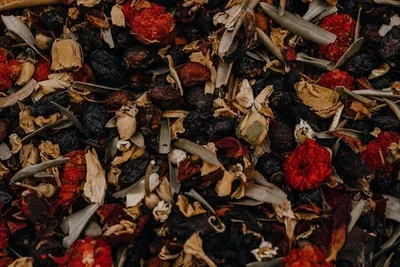
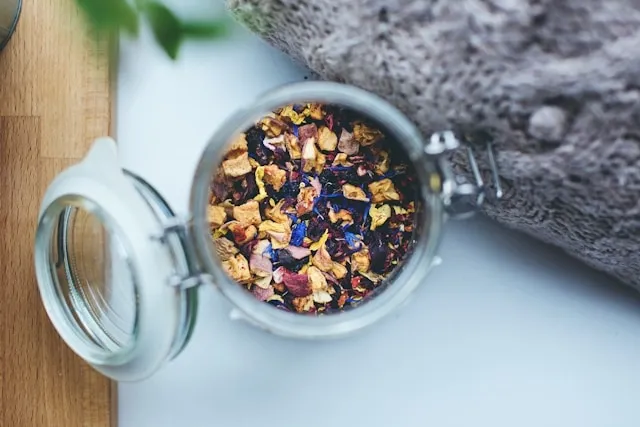
Potpourri offers both scent and decoration. In odor testing principles, it releases a pleasing scent that makes a space feel fresh or even masks other odors over time.
To make your own potpourri, do the following:
- Dry fruit slices, flower petals, and herbs.
- Combine them in a bowl and add a few drops of essential oil.
- Stir gently and let it sit for a day before use.
We like to use orange slices with cinnamon for a warm scent. Refresh the mix every few weeks by adding more oil. Place it in open areas where air can move through it.
Unlike sprays, potpourri works slowly, creating a steady background scent that feels natural and easy to maintain.
Frequently Asked Questions About How To Make A DIY Natural Air Freshener?
How To Make A DIY Natural Air Freshener?
Use baking soda or a simple spray with water and essential oils. Focus on removing odor first, then adding light scent.
What Is The Best Homemade Room Deodorizer?
Baking soda or coffee grounds work best for absorbing smells. Pair with a light natural scent for a fresher result.